Get The Best of Ceramic Coating & PPF

Opti-Shield Liquid PPF Coating Hybrid Protection


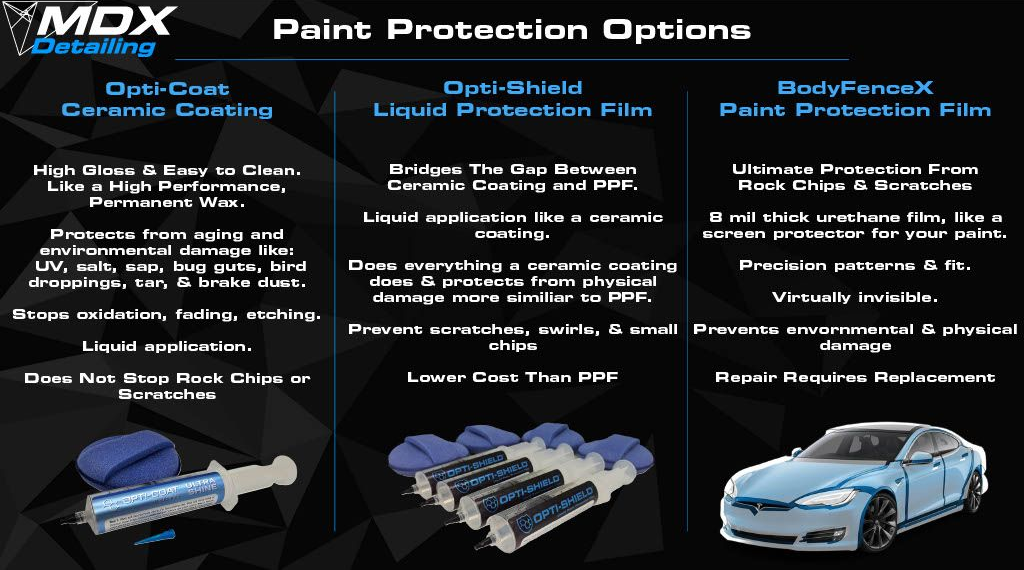
 Opti-Shield bridges the gap between Ceramic Coatings & PPF. All the benefits of a ceramic coating, plus protection from scratches & rock chips more like Paint Protection Film.


Opti-Shield Liquid Hybrid Protection


 Opti-Shield bridges the gap between Ceramic Coatings & PPF. All the benefits of a ceramic coating, plus protection from scratches & rock chips more like Paint Protection Film.


High Gloss Protection.

Easy to Clean.

Never Wax Again.

Stop Rock Chips & Scratches.


What is Opti-Shield?

Bridging the Gap Between Ceramic Coatings & Paint Protection Film (PPF)


Opti-Shield is the next generation of paint protection systems. It is not a ceramic coating and it is not PPF. It is a new category of vehicle protection blending the benefits of ceramic coatings with high gloss, environmental protection, and easy cleaning, with impact and scratch resistance more similar to paint protection film.


Opti-Shield Liquid Protection Film is repairable without having to remove clear coat or replace expensive paint protection film. It won't peel or yellow and it is a seamless installation without unsightly edges to collect dirt or peel.

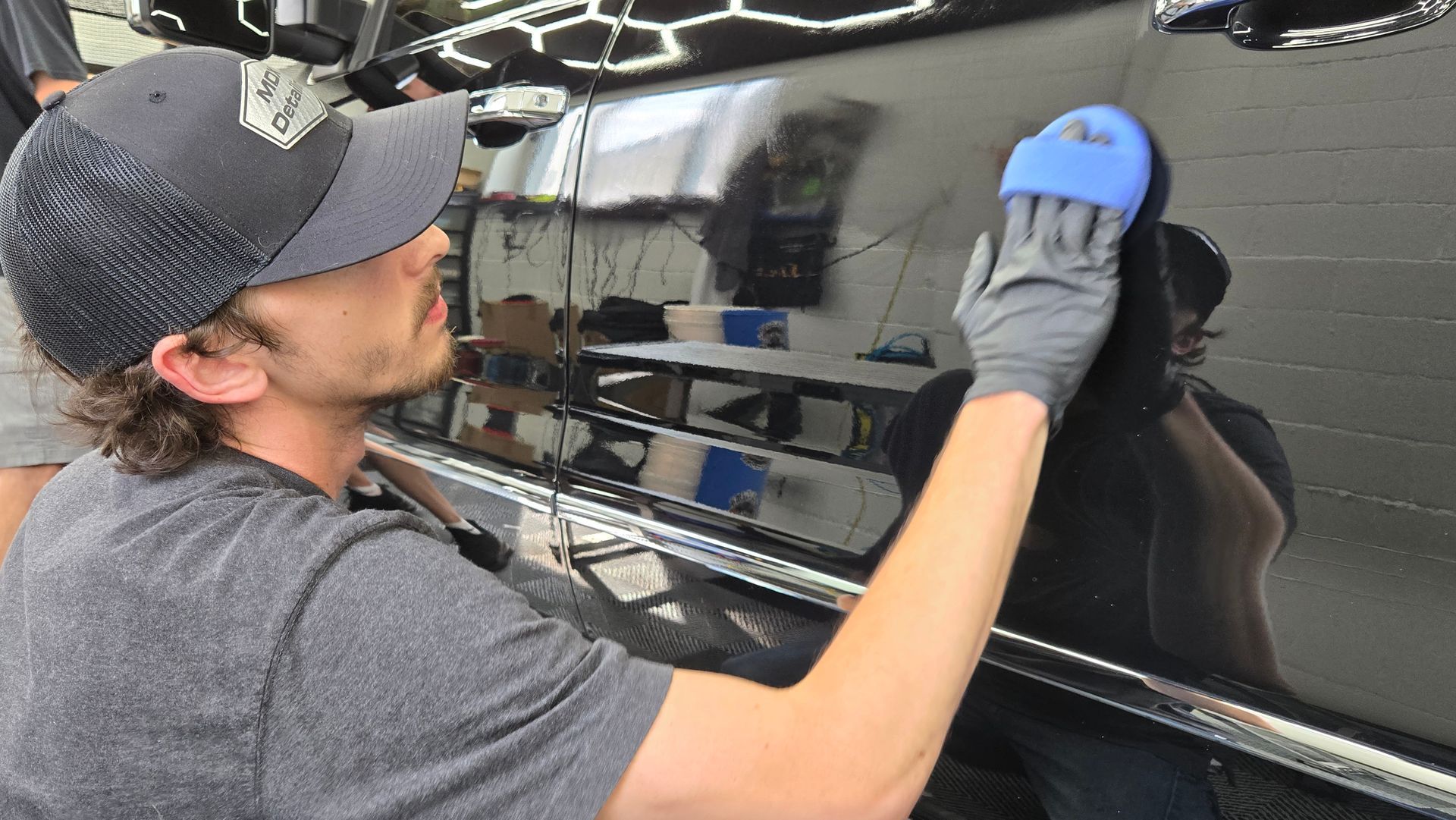
Opti-Shield is applied in liquid form. Once cured, it forms an extremely durable and correctable layer of protection on top of factory paint. If Opti-Shield becomes damaged, it can be spot polished and reapplied to damaged areas without degrading the factory clear coat paint. Damage can be repaired repeatedly as long as the damage does not fully penetrate the film layer of Opti-Shield.

Is Opti-Shield a Ceramic Coating?


It is a new type of ceramic based vehicle protection called a Liquid Paint Protection Film or Liquid PPF featuring the benefits of both ceramic coatings and impact and scratch resistance more similar to paint protection film.


Is Opti-Shield Paint Protection Film / PPF?


No, Opti-Shield is applied in liquid form and forms a hard durable layer of protection like a ceramic coating. It features some of the scratch and rock chip resistance previously only found in paint protection films.

Is it More Scratch & Chip Resistant Than Ceramic Coatings?


Opti-Shield is significantly harder than a ceramic coating featuring much better scratch and marr resistance.

Is it as Scratch & Chip Resistant as Paint Protection Film / PPF?


No, but it is the next best scratch and chip resistance available without the disadvantages and cost of PPF.


Benefits of Opti-Shield


  • Increased Impact Resistant
  • Increased Scratch Resistant
  • Repairable
  • 15x Thicker Than Ceramic Coatings
  • No Unsightly Edges or Lines
  • No Peeling
  • No Yellowing
  • Applied Like A Ceramic Coating
  • Lower Cost than PPF
  • Full Vehicle Protection
  • Permanent Bond
  • Extreme Durability
  • Use Standalone or Top with Ceramic Coating
  • Combine With Front End PPF to Protect The Rest of Your Vehicle

How is Opti-Shield Applied?

Can it Be Repaired?

Will It Damage Paint?


Opti-Shield is applied in liquid form. Once cured, it forms an extremely durable and correctable layer of protection on top of factory paint. If Opti-Shield becomes damaged, it can be spot polished and reapplied to damaged areas without degrading the factory clear coat paint. Damage can be repaired repeatedly as long as the damage does not fully penetrate the film layer of Opti-Shield.
How Much Does Opti-Shield Cost?
Frequently Asked Questions.

  • What Is True Self Healing?

    When a material has the ability to heal damage to itself, this is self healing.


     With other films on the market, an external heat source like a heat gun or boiling water is needed to activate the healing.


    However Hexis PPF is the only paint protection film with True / Instant Self Healing. No heat source is needed. The film heals with ambient temperatures above 70 degrees. 

    Watch this in action here.

  • What Are Wrapped Edges?

    With PPF, there are 2 ways to install. Wrapped & Unwrapped. 


    With unwrapped installs, the film stops short of the edge of panels. 


    With wrapped edges, the film goes beyond the edge of the panel and wraps around to the back side. 


    Wrapped edges provide a cleaner, more invisible install, and provides better protection. 


    Here at MDX, we wrap as many as edges as possible to give the best results possible. 


    Learn more here. 

  • Can PPF be Applied To Matte Paint?

    It sure can! Hexis PPF is available in regualr gloss finish as well as matte and satin. 


    You can also use PPF to make your gloss paint job look matte or satin, like you can see in this video here. 

  • How Long Does PPF Last?

    PPF will last a very long time with good care. Our BodyFenceX film has a Lifetime manufacturer warranty.

    To keep optimimal appearance, you may want to replace the film when it takes damage or normal wear & tear. How long until film looks worn can be based on where you drive, how you drive, track time, or speeds taken. 

     Learn More Here

  • Can I Get PPF on Just The Front of The Car?

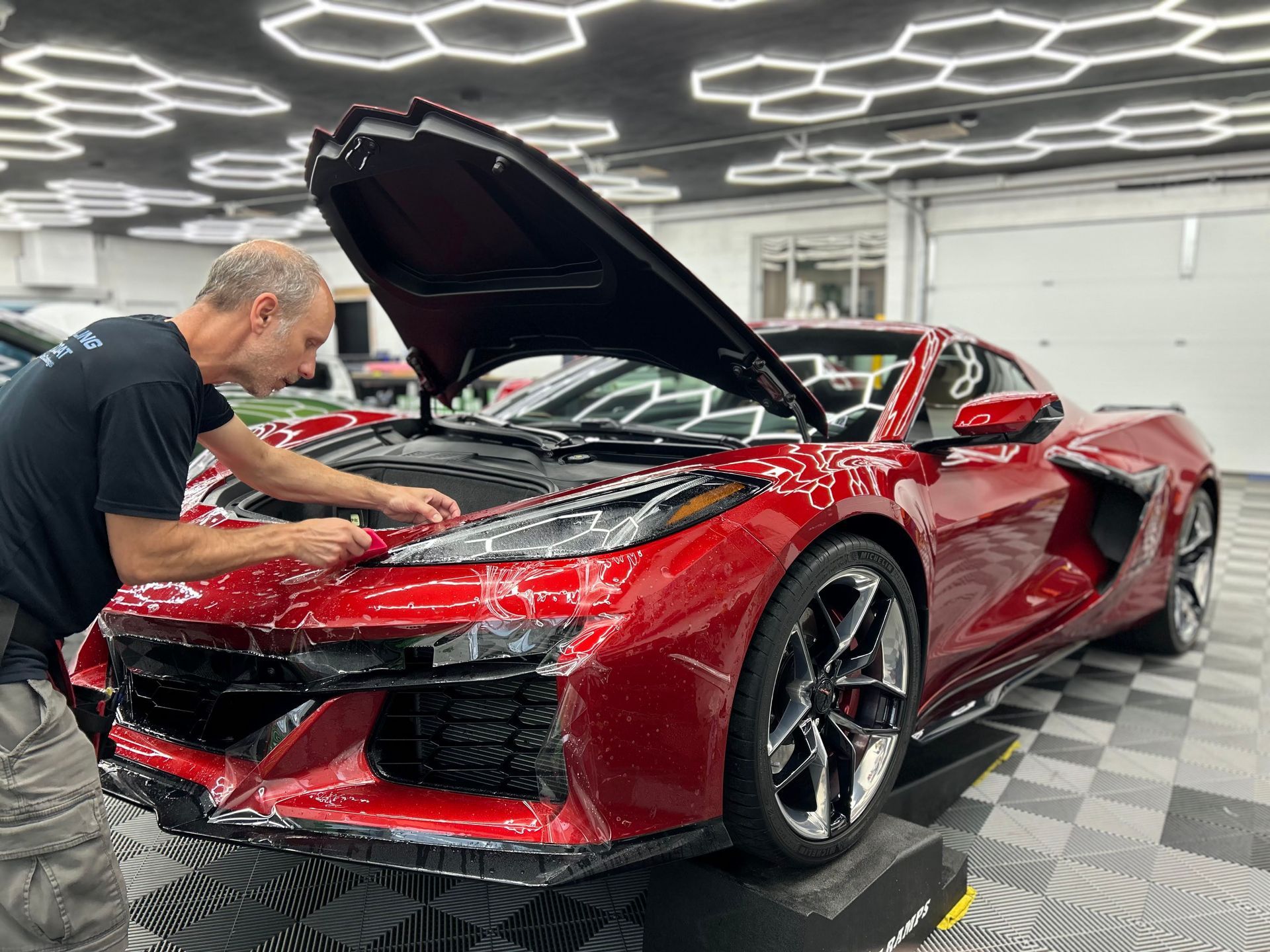
    Yes, in fact this is our most popular coverage option. The "Full Front" protects the entire hood, fenders, bumper, and mirrors. 

    View all of our coverage packages here. 

  • How Long Does Installation Take?

    For front end protection, installation usually takes 2-3 days.


    Full vehicle coverage can take longer, 4-7 days depending on the size and complexity of the vehicle. 


    Color change wraps can take a few weeks to guarantee a quality install.

  • What if My Vehicle Was Already Ceramic Coated?

    Ceramic coating or other paint sealant will interfere with the adhesion of PPF. Any coating / protectant will need stripped prior to installation of PPF. Stripping coatings is typically $250. 


    Examples of coatings that will need stripped is Resistall, Simoniz Glass Coat, Armor Shield, TST, System X, or other dealer / DIY applied paint protectants. 


    If your vehicle was previously Opti-Coated at MDX, we will not charge this fee.